
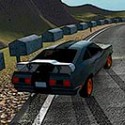










Drift Hunters
You flick the wheel into the first corner, feather the throttle and watch the score counter climb as the rear tires smoke, and that is the moment Drift Hunters starts to make sense. Every point comes from holding a controlled slide for as long as possible, and every point you earn goes back into faster cars and sharper tuning in the garage.
| Genre | Drift driving with car tuning |
|---|---|
| Main goal | Score points by holding long drifts |
| Progression | Buy and upgrade new cars |
| Garage options | Engine, turbo, brakes, suspension, wheels |
| Typical cars | Japanese and European tuner classics |
How Scoring Works in Drift Hunters
Points build while the car is sideways, and the angle, the speed and the length of the slide all feed into the total. A multiplier grows the longer you chain drifts together, but a tap on the wall or a spin resets it and throws away the bonus. That risk-reward balance is what keeps a single lap tense even after hours of play.
Beginners usually brake too hard before corners and lose all momentum. Lifting off the throttle, flicking the car and then catching the slide with gentle steering keeps speed high and the multiplier alive.
The cleanest runs link one corner into the next without straightening out. Experienced drivers plan the whole track as a single continuous slide, switching direction with a quick weight transfer instead of stopping between bends.
Tuning the Car in the Garage
The garage is almost a second game. Engine and turbo upgrades raise power, while suspension settings such as camber, offset and ride height change how the car rotates. Small changes make a big difference, and a car that feels stiff out of the box can turn into a smooth drifter after a few adjustments.
A common mistake is buying power before learning control. Too much turbo on a light car makes it spin at the slightest touch, so many players upgrade brakes and handling first and add power later.
Car collectors enjoy unlocking the full roster, from light classics in the style of the AE86 to heavier, more powerful machines. Each car needs its own setup, which gives a reason to return to familiar tracks with a new vehicle.
Tracks, Practice and Steady Progress
The tracks range from tight technical layouts to wide open areas where long sweeping drifts are possible. Early on, wide tracks are the best places to learn, because mistakes are cheaper when there is room to recover.
Once the basics click, technical tracks become the real test. Tight hairpins demand quick direction changes, and they are where high scores separate good drivers from great ones.
The game does have its frustrations. Some players feel the early grind for points is slow, especially before the first good car arrives, and keyboard steering can feel twitchy compared with a gamepad. Once the slides feel natural, Madalin Stunt Cars 2 is a good place to test the same cars on ramps and loops, and the driving games shelf has plenty more to try.
Drift Hunters Questions From New Drivers
- How do you keep the multiplier going? Link drifts without straightening the car or touching walls, since a crash or a long straight resets the bonus. Planning the line through several corners in a row keeps the chain alive much longer.
- Which upgrades should you buy first? Start with brakes, suspension and tires so the car is easier to control. Add engine and turbo power once you can hold long slides without spinning.
- Is a gamepad better than a keyboard? Analog steering on a gamepad allows finer corrections, which helps hold long drifts. Keyboard players can still score well by tapping steering keys instead of holding them.
Drift Hunters rewards patience in the garage and precision on the track, whether you are tuning camber on a light AE86-style starter or linking a whole lap into one long slide to keep the multiplier glowing.