
Open World Games
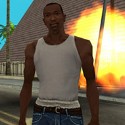
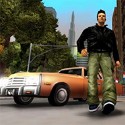




Open World Games give you a map instead of a level list. You choose where to drive, which job to take and when to ignore the story entirely for a detour across town. This shelf collects titles built around that kind of open route, from crime sagas to physics playgrounds where the city itself is the toy.
What Makes a Map Feel Open
A big map alone is not enough. The best Open World Games fill their streets with traffic, pedestrians, shops and side jobs that react to what you do, so a short drive to a mission can turn into a police chase or a race. The space between missions matters as much as the missions themselves, and that is where most of the memorable moments happen.
Another sign is choice of order. In a linear title the next step is fixed, while here several contacts, races and collectibles compete for attention at once. Players who like to plan their own path tend to stay with Open World Games for years, often replaying the same game just to try a different order.
- Several mission givers active at the same time
- Vehicles you can take from the street
- Side jobs, races and collectibles away from the story
- Districts that unlock as you progress
Crime Cities on This Shelf
The center of the collection is the Grand Theft Auto series. GTA Vice City drops Tommy Vercetti into a neon 1986 Miami, while GTA San Andreas spreads its story across three cities and adds character stats. Grand Theft Auto V moves the formula to a modern Los Santos with three playable leads.
These Open World Games share a rhythm: missions push the story forward, while the city keeps offering distractions. Taxi fares, ambulance runs, stunt jumps and hidden packages give you reasons to explore every alley. If Vice City is your starting point, the district map guide explains which neighborhoods open first.
Sandbox Playgrounds Without a Script
Not every title here tells a story. Goat Simulator 3 hands you a goat and a town full of physics objects and lets the chaos unfold. Extreme Car Driving Simulator is a city of streets and ramps with no missions forcing your hand. Indian Bike Driving 3D mixes motorbikes, cars and a large map you can roam however you like.
Sandbox Open World Games suit short sessions. You open the map, try a stunt or two and close the tab without losing progress on a long campaign. They also make a good warm-up for the driving sections of bigger crime titles.
How to Approach a Large Map
New players often try to see everything at once and burn out. A better plan is to follow the main contacts until the map opens up, then mix in side content between story jobs. That way each district has a purpose when you first arrive.
- Learn two or three routes between your safehouse and the mission markers.
- Store a fast car near the place you visit most.
- Pick up side jobs that give permanent bonuses early.
- Leave collectibles for the end, once fast travel tools are available.
This order works for most Open World Games, whether the reward is a stronger character or simply knowing the streets well enough to escape any chase.
Story Missions or Roaming at Will
Every game on this shelf answers the same question differently: how much should the story lead you? The Grand Theft Auto titles keep a strong campaign and let you wander between chapters, while sandbox entries skip the plot and trust you to invent your own goals. Neither approach is better, and many players switch between both depending on their mood.
A story-driven game gives each district a reason to exist, since a contact or a rival gang lives there. A sandbox game gives the same streets to your imagination instead. Open World Games of both kinds reward players who look around corners, climb onto rooftops and test what the physics will allow.
Collectors get the most out of the first type, because hidden items and side jobs are spread across the map on purpose. Players who prefer quick fun often pick the second, where a single session can be a car chase, a stunt or a ride along the coast with the radio on.
Vehicles as the Core of the Map
In most Open World Games the vehicle is the real main character. Cars, bikes, boats and helicopters decide how fast you cross the map and which places you can reach. A good game of this type makes each vehicle feel different, so choosing what to drive becomes part of planning a mission.
Fast sports cars win races but struggle in tight turns, while motorcycles slip through traffic and throw the rider at the first crash. Helicopters reach rooftops and skip traffic completely. Learning these differences is half of the fun in any big city game.
Playing on Any Device
Every game on the shelf runs in the browser, so there is nothing to install. Desktop players get keyboard and mouse controls, while many entries also support touch layouts or gamepads. Large maps load in pieces as you move, which keeps the first start of Open World Games short even on slower connections.
If a city stutters, lowering the frame rate cap or closing other tabs usually helps. Fullscreen mode also makes a real difference on phones, since the map and radar need room on the screen.
Where to Go Next
Open World Games overlap with several other shelves here. Driving-heavy titles also appear among the driving picks, and crime stories share space with heist and gang titles in their own category. Moving between them is the easiest way to find a new favorite.
The home of the collection is GTA Vice City in Browser, where Vice City itself is ready to start. From there, any city on this shelf is one click away, and each one rewards the same curiosity that makes you take the long way to the next mission.